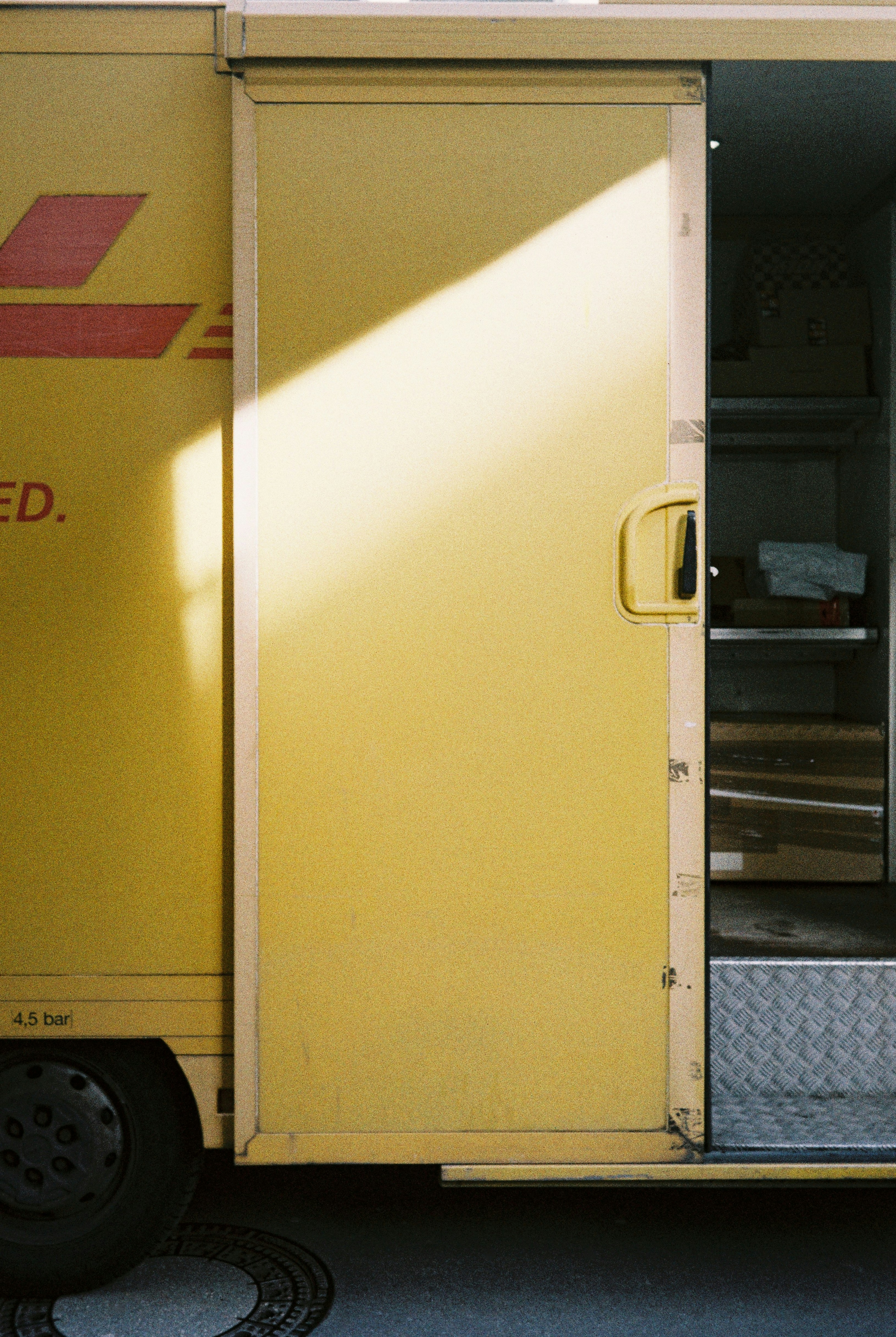
For any café or restaurant owner in Thailand, one of the most underestimated operational costs is cold chain logistics. You see it every time you receive a delivery of dairy, fresh fruit, or temperature-sensitive ingredients — the ice packs, the insulated boxes, the time pressure to unpack and refrigerate immediately. Cold chain is expensive, fragile, and unforgiving. One broken link and product quality suffers.
This article explains what cold chain logistics actually means for a Thai café operator, why it drives up cost and complexity, and why choosing ambient-stable specialty ingredients like BlessMe popping boba is one of the smartest sourcing decisions you can make.
What is Cold Chain Logistics?
Cold chain logistics refers to the unbroken sequence of refrigerated or temperature-controlled storage and transport required to keep perishable products safe and effective from the point of manufacture to the point of use. The "chain" part is critical — any gap in temperature control, even briefly, can degrade quality, accelerate spoilage, or create food safety risks.
For a Bangkok café receiving fresh milk, cream, fruit purees, or imported dairy toppings, this means: the supplier must store at correct temperature, the delivery vehicle must be refrigerated, your receiving process must be fast, and your in-store cold storage must have enough capacity — all coordinated correctly, every single delivery.
Why Cold Chain is a Hidden Cost Multiplier for Thai Cafés
- Higher delivery fees: refrigerated transport costs 2–4x more than ambient delivery across Thailand
- Minimum order pressure: cold chain suppliers push larger minimum orders to justify logistics cost, tying up cash flow
- Spoilage risk: a power cut, a delayed delivery, or a miscommunication can write off an entire batch of stock
- Storage investment: industrial refrigerators and freezers require capital investment, electricity, and maintenance
- Staff training: cold chain receiving requires strict first-in-first-out (FIFO) discipline and temperature logging
- Waste on quiet weeks: perishable ingredients expire faster than you can use them during low-traffic periods
For small and medium café operators across Thailand — especially outside Bangkok where cold chain infrastructure is thinner — these costs add up to thousands of baht per month in hidden operational overhead.
The Specialty Topping Problem
Most premium specialty toppings that cafés want to carry come with cold chain strings attached. Fresh fruit compotes, dairy-based creams, Japanese matcha mousses — they all look great on a menu and customers love them. But behind the scenes, they are cold chain dependencies that require constant management.
This is why many café operators end up carrying fewer specialty ingredients than they would like, or rotating them out when the logistics become too demanding. The culinary ambition exists; the cold chain complexity kills it.
How BlessMe Popping Boba is Engineered to Bypass Cold Chain
BlessMe popping boba is manufactured with ambient stability as a core design requirement — not an afterthought. Every pack is:
- Room temperature stable: stored at 5–30°C, no refrigeration or freezing at any stage
- 12-month shelf life: a full year from production date, far exceeding typical café ingredient cycles
- Sealed in food-grade packs: no oxidation risk, no moisture ingress, no contamination vectors
- Delivered ambient: standard courier or freight, no refrigerated truck required
- Received instantly: no cold chain receiving protocol, no urgency to unpack — store on a shelf like any dry good
This is not a compromise on quality. BlessMe popping boba uses seaweed-derived shells (not gelatin) filled with real fruit juice, delivering a fresh burst of flavor with every bite. Ambient stability is achieved through the product's natural composition, not preservatives.
What This Means for Your Café's Operations
Switching even one cold chain topping for an ambient-stable BlessMe alternative has concrete operational benefits:
- Eliminate refrigerated delivery fees for that category
- Order larger quantities when prices are favorable — shelf life supports it
- Zero spoilage risk on quiet weeks or unexpected closures
- No minimum order pressure tied to cold chain delivery windows
- Free up refrigerator/freezer space for items that genuinely need cold storage
- Simplify staff training — no FIFO cold chain discipline required
Storage Best Practices for BlessMe Popping Boba
- Store unopened packs at room temperature, away from direct sunlight and heat sources
- After opening, refrigerate unused portions in a sealed container and use within 7 days
- Never freeze — freezing damages the seaweed shell and compromises texture on thaw
- Serve at room temperature or slightly chilled — both work well with beverages and bowls
- Label opened containers with date opened for kitchen discipline
The Bottom Line for Thai Café Operators
Cold chain logistics is not going away — dairy, fresh produce, and many premium ingredients will always require it. But smart operators minimize their cold chain exposure wherever possible, reserving refrigerated infrastructure for what truly needs it.
BlessMe popping boba is purpose-built for this reality. Six premium flavors — Barley, Red Bean, Oat, Water Chestnut, Osmanthus, and Moji Yogurt — available wholesale at 80–115 THB per pack, delivered ambient, with a 12-month shelf life. No cold chain. No spoilage risk. No complexity.
If you are evaluating your ingredient mix for cost efficiency and operational simplicity, this is a category worth looking at seriously. Contact BlessMe's B2B team at Blessme.team@gmail.com or LINE: @blessmethailand to discuss wholesale pricing and request samples.